


“A Culture of Blessings – Where Words Become Warmth”
Ceramics are not only everyday items but also carry profound meanings in feng shui and gift-giving. Below is a detailed analysis of the significance of ceramics and some notable anecdotes about using ceramics as gifts in various countries.
- The Significance of Ceramics in Feng Shui
Ceramics not only have artistic value but also hold deep Feng Shui significance, carrying positive energy, helping homeowners attract wealth, luck, peace, and balance energy in their living spaces.
🔹 A symbol of durability and longevity
• Earth generates Metal: Ceramics originate from earth and are fired at high temperatures, promoting stability and generating wealth.
• Harmony of Water and Fire: Ceramics often combine the element of water (glazing) and fire (firing process), creating a balance of yin and yang.
• Ceramics are created from earth, water, and fire — the fundamental elements of the universe. Hence, they symbolize sustainability, stability, and longevity.
• In feng shui, a ceramic gift represents a strong bond in relationships.
• Ceramics are highly durable, symbolizing lasting love and success in work.
• Decorative motifs on ceramics often symbolize wealth and good fortune, such as dragons, phoenixes, and peonies.
🔹 Attracting Wealth and Prosperity
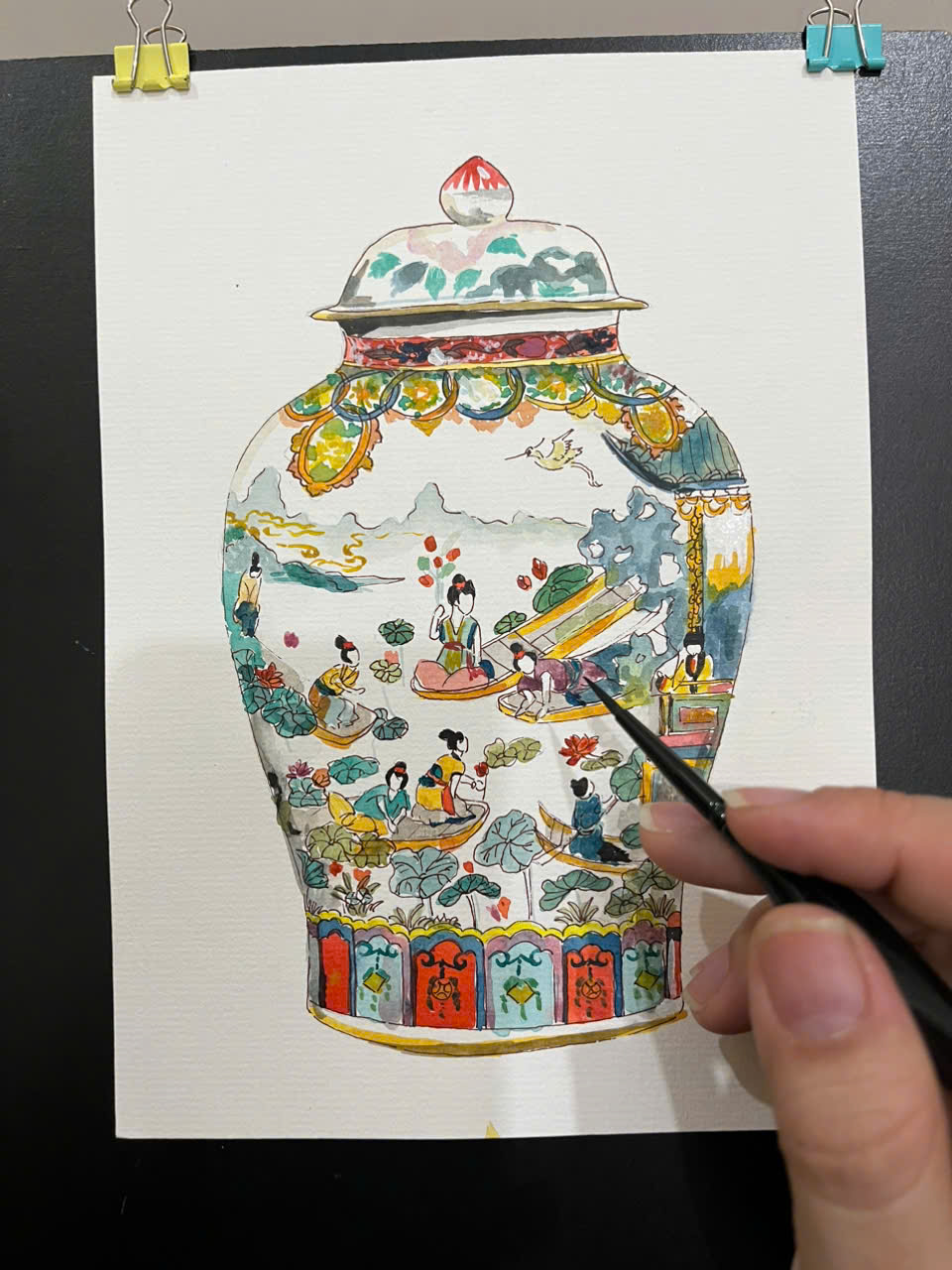
• Ceramic vases (calabash gourds, fortune vases) help accumulate wealth energy, bringing prosperity and abundance. They dissolve negative energy and attract positive vibes. As gifts, they convey wishes of prosperity, good luck, a stable career, and long-lasting happiness.
• Ceramic bowls, plates, and teapots symbolize fullness, elegance, and bonding — suitable as gifts for grand openings, housewarmings, weddings, etc. They express care, wishes for health, and hopes for warmth and abundance.
• Feng shui ceramic statues — like carp fish, dragons, or the God of Wealth — bring blessings and prosperity.
• Applications in the home: ceramic vases, statues, bowls, and plates can be placed according to feng shui principles to enhance fortune.
🔹 Ceramic Colors and Feng Shui Meanings
• Blue, white (Water element): Supportive for careers, bringing peace and happiness.
• Yellow, brown (Earth element): Symbolize stability, suitable for entrepreneurs, businesspeople, newly promoted individuals, or those advancing in their careers.
• Red, orange (Fire element): Bring luck, ideal for grand openings, new jobs, relocations, new houses, new cars, or investments.
• Green (Wood element): Represent health and growth, suitable for growing families, adding new team members, or joyful family events like having a baby.
- Anecdotes of Ceramics as Gifts in Various Countries
🔹 China: Blue-and-White Porcelain – Gifts of the Royal Court
During the Ming Dynasty (1368–1644), blue-and-white porcelain (青花瓷) was considered a “royal treasure.” Emperor Yongle of the Ming Dynasty once gifted a set of blue-and-white vases to the Persian king to establish diplomatic relations.
🔹 Japan: Raku Pottery Gifts in the Way of Tea
The Japanese highly value the tea ceremony, and Raku tea sets are considered noble gifts. When a samurai gave a Raku tea bowl to his swordsmanship teacher, it symbolized utmost respect. These bowls represent meditative spirit and harmony in tea culture. Today, Raku ceramics remain a prestigious gift among Japanese elites.
🔹 France: Sèvres Porcelain – A Symbol of Sophistication
In the 18th century, France’s Sèvres porcelain was considered a gift reserved for European royalty. Queen Marie Antoinette once presented a Sèvres vase set to the King of Sweden as a gesture of friendship.
🔹 France: Limoges Porcelain – A Gift of European Nobility
Renowned for its delicate beauty and exceptional quality, French Limoges porcelain was favored by 19th-century aristocracy. Emperor Napoleon III frequently gifted Limoges ceramics to distinguished guests of the French court. One of the most famous collections was gifted to Queen Victoria of England.
🔹 Germany: Meissen Porcelain – A Symbol of Power and Wealth
Meissen porcelain was the first European porcelain, produced in the early 18th century. King Augustus II of Poland (also Elector of Saxony) used Meissen porcelain as diplomatic gifts to European royal courts. It came to symbolize power and prosperity.
🔹 United Kingdom: Wedgwood Ceramics – Royal Gifts
Wedgwood ceramics, with their elegant and refined style, were among the favorite gifts of the British Queen. In the 18th century, Queen Charlotte (wife of King George III) adored Wedgwood and ordered high-end dinnerware sets as gifts for European royalty. Since then, Wedgwood has been known as “Queen’s Ware.”
🔹 South Korea: Celadon Pottery – Royal Gifts of the Goryeo Dynasty
During the Goryeo Dynasty (918–1392), Celadon pottery (청자) with its signature jade green glaze was considered a national treasure. The King of Goryeo once gifted Celadon ware to Chinese and Japanese courts as a token of friendship. Some Celadon tea sets remain preserved in Chinese royal collections to this day.
🔹 Russia: Imperial Porcelain – Gifts of the Russian Empire
Imperial Porcelain (Lomonosov) was custom-made for the Russian Tsars. In 1913, Tsar Nicholas II gifted a set of Imperial teaware to the President of France as a sign of cooperation between the two nations. These sets, with their iconic blue and white patterns, are still favored by Russian nobility.
🔹 Italy: Majolica Ceramics – Gifts from Noble Families
Majolica pottery originated in Renaissance Italy and was often used as gifts among noble families. Some Italian aristocrats even commissioned custom Majolica plates engraved with their family crests for important events such as weddings or political alliances.
🔹 Italy: Capodimonte Ceramics – Luxurious Gifts from the Naples Royalty
Capodimonte ceramics are known for their exquisite floral motifs. In the 18th century, King Charles III of Naples founded the Capodimonte porcelain factory and used its products as gifts for the Spanish royal family. These ceramics were highly sought after by the European aristocracy.
🔹 Vietnam: Chu Dau Ceramics – Diplomatic Gifts from the 15th Century
Chu Dau ceramics were once an important export product of Đại Việt. In the 15th century, a Chu Dau vase was gifted to the Ottoman court (Turkey) as a symbol of friendship. Today, this vase is still on display at the Topkapi Palace Museum in Istanbul.
Conclusion
Ceramics are not only refined gifts but also carry deep meanings in feng shui, culture, and diplomacy. From European royal porcelain sets and China’s blue-and-white ware to Japan’s Raku pottery, each culture holds unique stories behind ceramic gift-giving.
In the modern world, ceramics remain a top choice for corporate gifts, partner appreciation, and family presents. Whether as feng shui items, diplomatic tokens, or souvenirs, ceramics embody elegance, durability, and artistic value.
If you’re looking for a gift that’s both luxurious and long-lasting, ceramics are definitely a perfect choice.
That’s why we at Gold Notes have created a series of greeting cards inspired by ceramics — to bring joy, good fortune, prosperity, and happiness to you, our partners and valued customers!
Thank you for your continued support!
GOLD NOTES TEAM
Gold Notes., JSC
🎁 Each card is a heartfelt blessing:
Good Fortune – Prosperity – Peace – Happiness
We invite you to join us in sharing lasting values, heartfelt joy, and meaningful connections through gifts deeply rooted in cultural heritage.


